
2026
residual value guide
If you are considering remarketing servers in 2026, refer to the 2026 Valuation Only section.
2026 valuation only: servers
The DRAM market entered a historic supply crisis driven by a perfect convergence of factors. Samsung, SK Hynix, and Micron, which together control roughly 70% of the DRAM market, began phasing out legacy DDR4 and mobile LPDDR4X production in 2024–2025 to focus on DDR5 and HBM. This deliberate capacity reallocation toward higher-margin AI memory products caused a severe supply crunch for the legacy memory that the vast majority of installed enterprise servers still use. Servers that shipped with substantial DDR4 RDIMM configurations are now worth materially more than pre-crisis residual models predicted. A Dell PowerEdge R640 configured with 256GB or 384GB of DDR4 RDIMM installed is suddenly carrying memory whose replacement value has increased 2–3x.

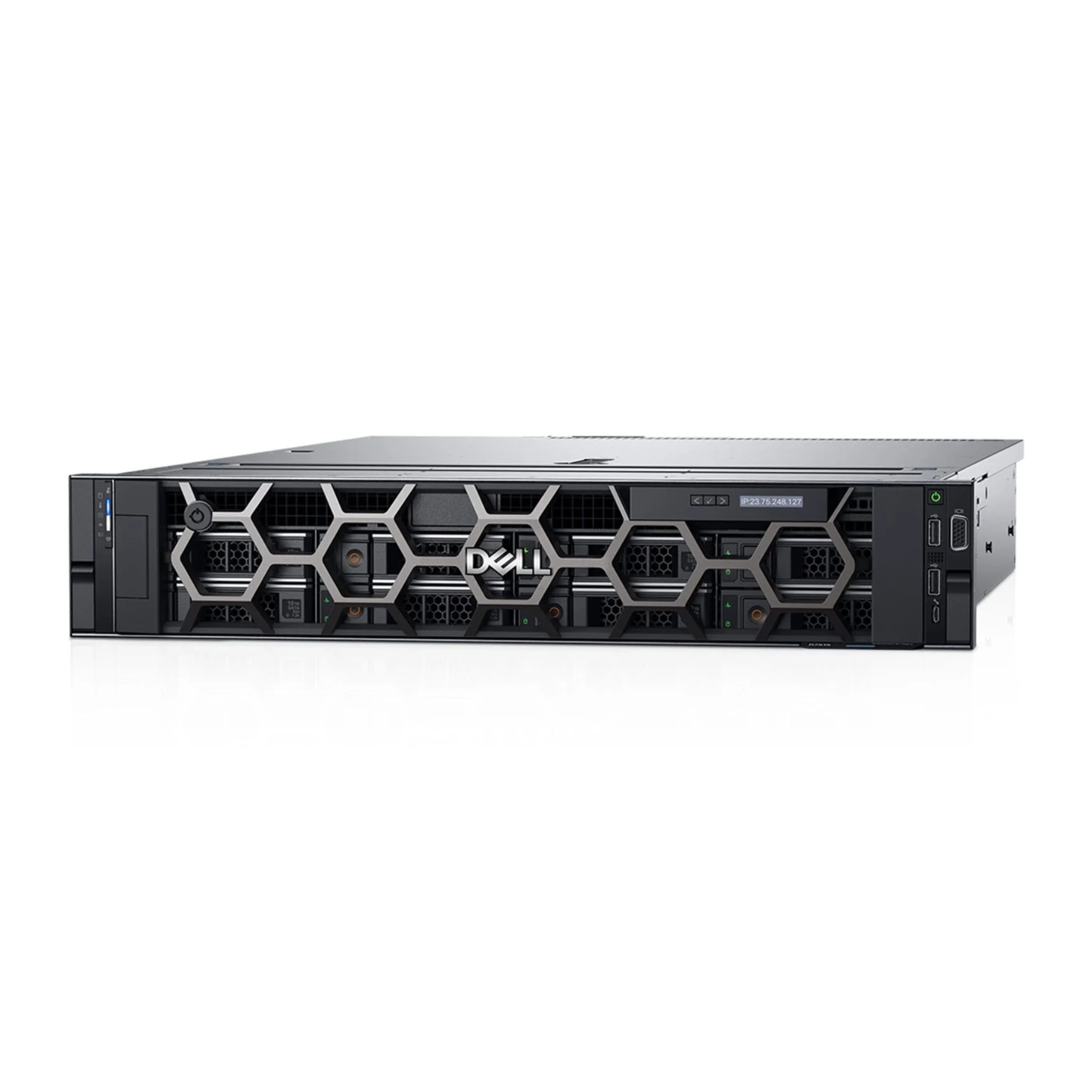
DELL, HP, LENOVO, IBM RISC, CISCO UCS, ORACLE
12 Months 95%
24 Months 90%
36 Months 75%
48 Months 65%
60 Months 55%
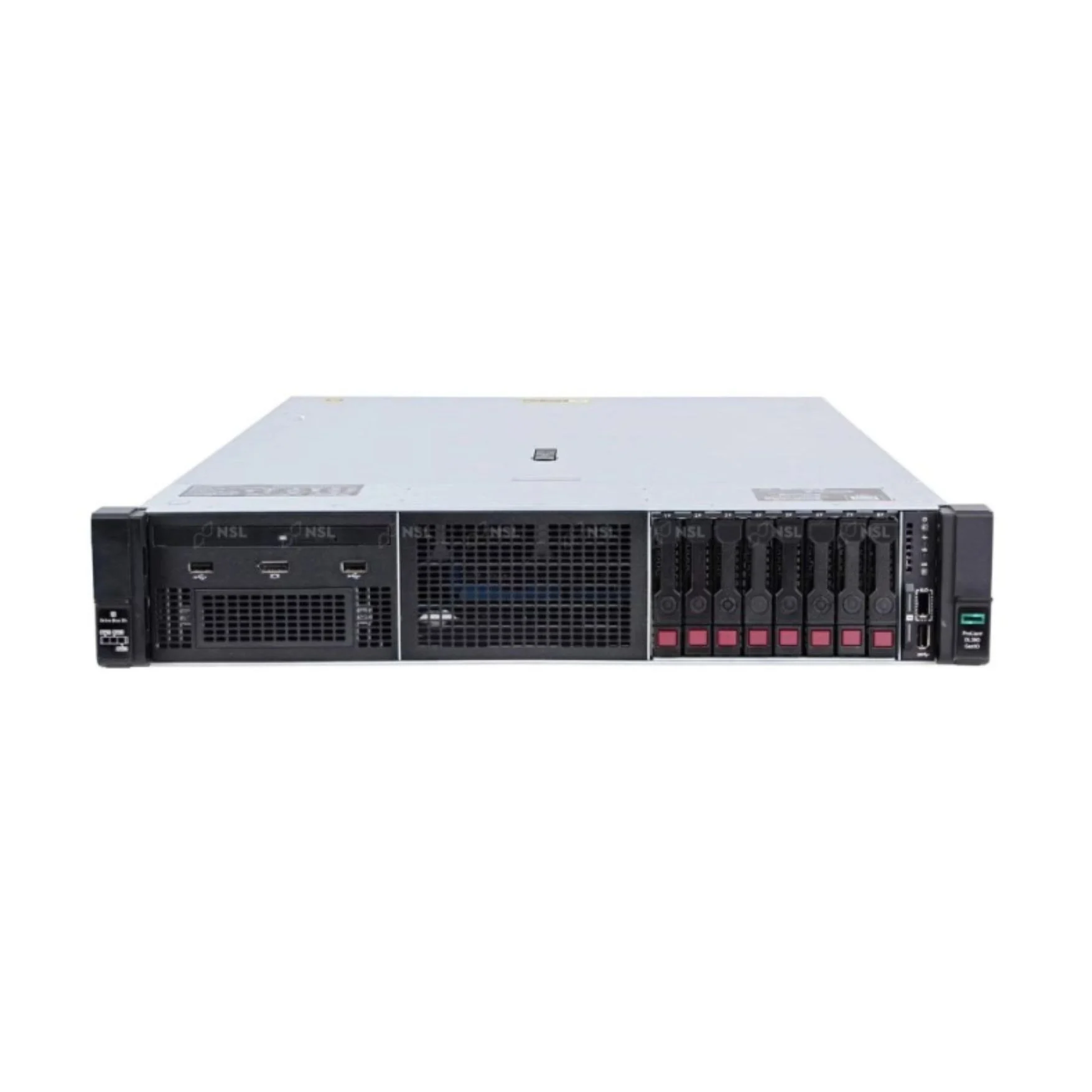
WHITE BOX, ODM
12 Months 92%
24 Months 87%
36 Months 73%
48 Months 63%
60 Months 53%
servers
Brand & Tier Status: Tier 1 brands (Dell, HPE, Lenovo) consistently command higher residual values than Tier 2. Enterprise buyers in the secondary market pay a premium for known support availability, parts supply, and firmware continuity.
CPU Generation & Architecture: This is arguably the single biggest driver. Servers depreciate sharply when a new processor generation launches.
Memory Capacity & Type: RAM is often the most valuable individual component in a used server. Memory can often be resold independently, which creates a “floor” on server value even when the rest of the system is aging.
Storage Configuration: NVMe-capable systems command a strong premium over SAS/SATA-only platforms. Systems with more drive bays hold value better due to flexibility.
Form Factor: 1U rack servers (R640, DL360) are highly liquid in the secondary market due to density demand.
2U servers (R740, DL380) also hold value well due to flexibility.
Blade servers depreciate faster because buyers need matching enclosures.

DELL, HP, LENOVO, IBM RISC, CISCO UCS, ORACLE
12 Months 65%
24 Months 45%
36 Months 35%
48 Months 22%
60 Months 15%

WHITE BOX, ODM
12 Months 58%
24 Months 38%
36 Months 27%
48 Months 18%
60 Months 12%
NETWORKING
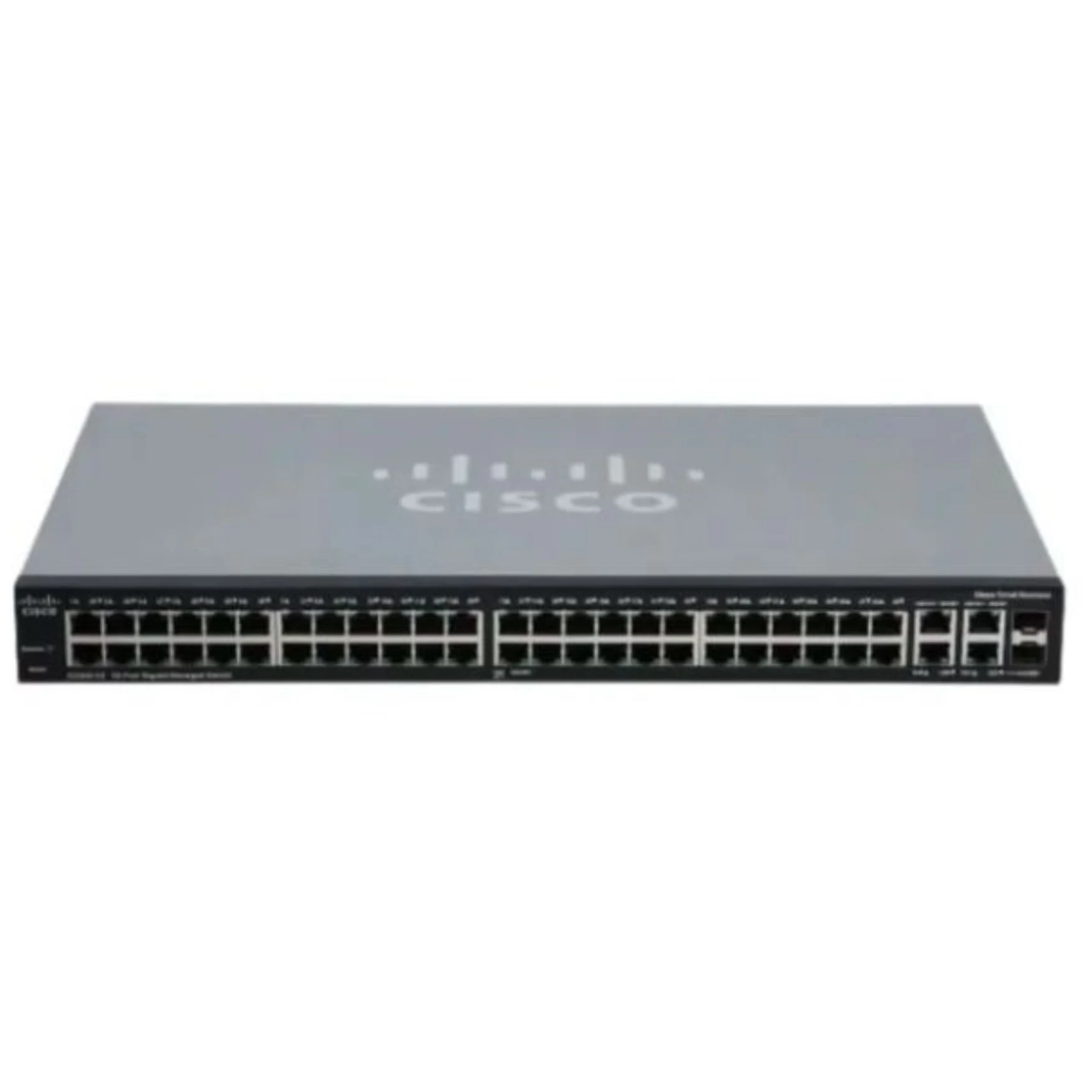
Networking gear depreciates differently than servers because it’s more software/feature-driven, and end-of-support dates have an outsized impact on value.
Wireless Access Points depreciate the fastest of any networking category because Wi-Fi standards evolve rapidly (Wi-Fi 5 → Wi-Fi 6 → Wi-Fi 6E → Wi-Fi 7), cloud-managed APs (Meraki, Mist) are tied to non-transferable subscriptions, and physical installation costs make buyers prefer new hardware over used.

core routers, dc switches, cisco, juniper, arista, hpe aruba
12 Months 67%
24 Months 55%
36 Months 47%
48 Months 36%
60 Months 32%
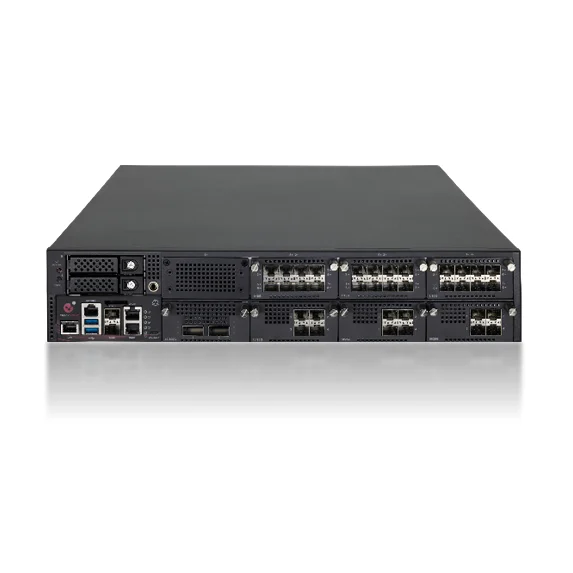
firewalls
12 Months 58%
24 Months 43%
36 Months 31%
48 Months 22%
60 Months 15%
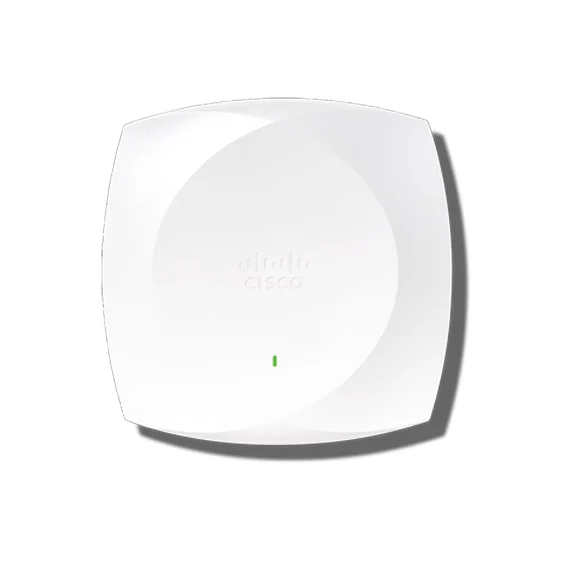
ACCESS POINTS
12 Months 45%
24 Months 28%
36 Months 18%
48 Months 11%
60 Months 7%
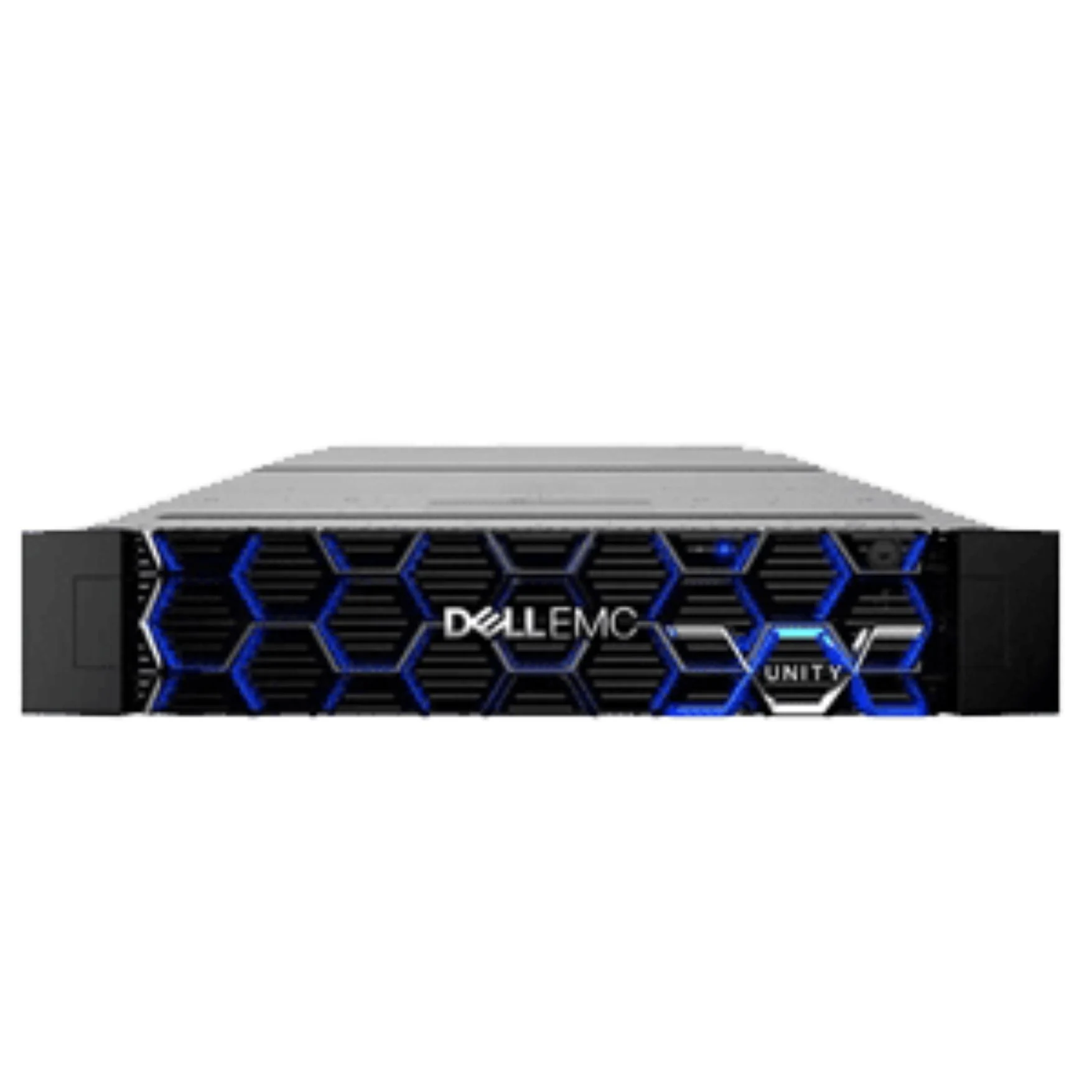
storage & AI INFRASTRUCTURE
AI infrastructure is a unique asset class for residual value, it depreciates faster than any other IT category in some respects, yet GPU scarcity and insatiable demand have created anomalies where some equipment has actually appreciated or held value far above typical IT depreciation curves. The market is also only a few years old at scale, so curves are less established than for servers or storage.

DELL/EMC, HP, NETAPP, IBM, PURE, HITACHI
12 Months 66%
24 Months 52%
36 Months 40%
48 Months 32%
60 Months 19%
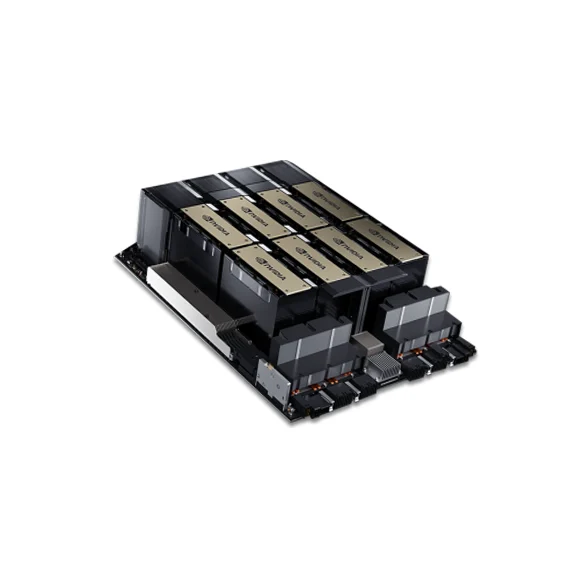
H100, NVIDIA
12 Months 84%
24 Months 66%
36 Months 48%
48 Months 31%
60 Months 21%
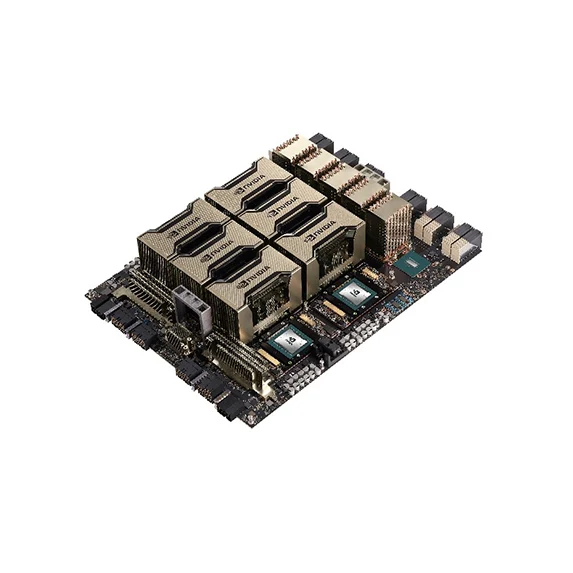
A100, NVIDIA
12 Months 72%
24 Months 50%
36 Months 32%
48 Months 22%
60 Months 15%
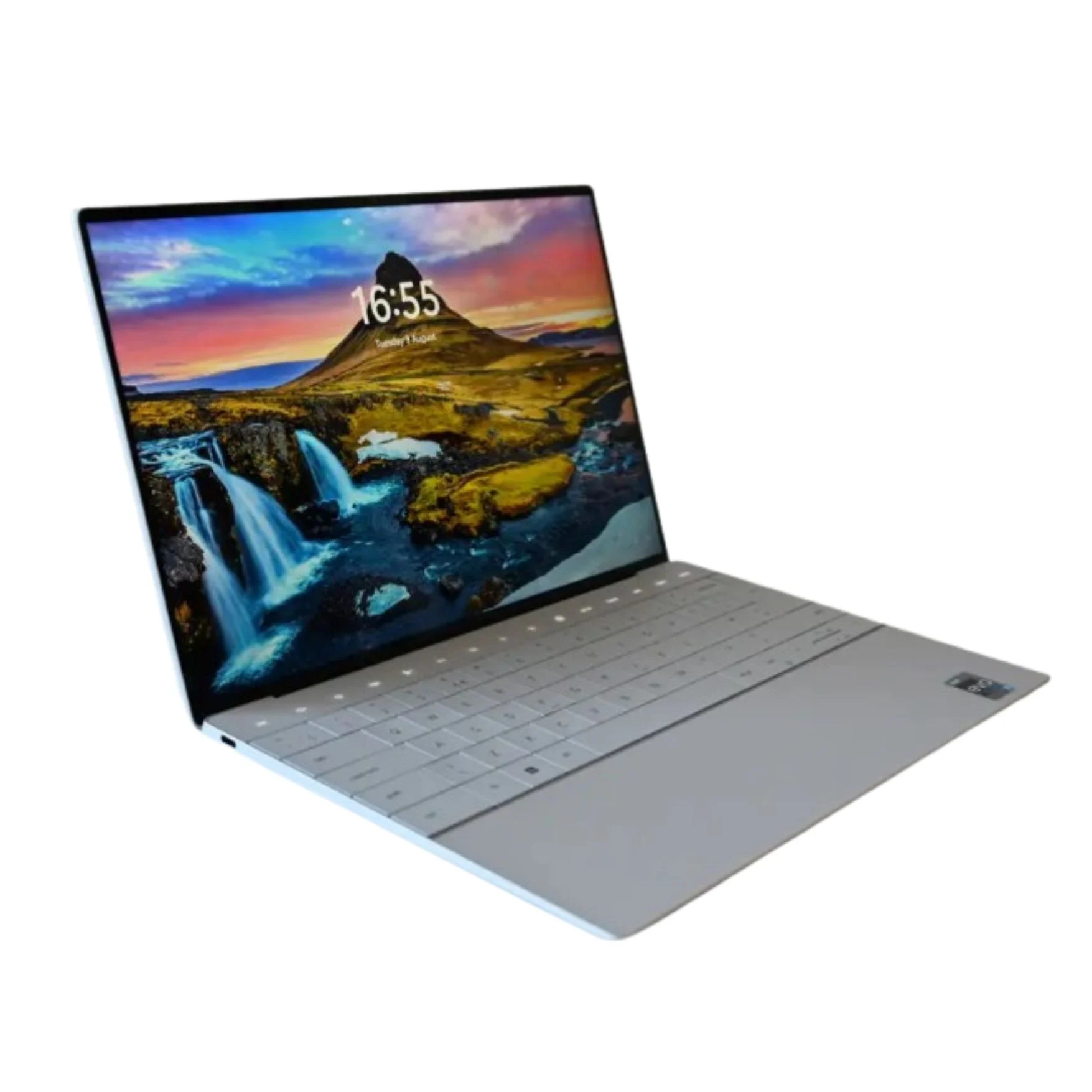
*16GB is increasingly seen as the minimum viable configuration for professional use, depressing resale values for 8GB systems
*Soldered RAM (common in thin notebooks) means the installed configuration is permanent, buyers pay more for higher configurations at purchase knowing they cannot upgrade
*32GB+ notebooks have seen residual value uplift of 8–15 percentage points versus pre-2025 models in the current memory pricing environment
*Ultra-thin and light (under 1.3kg / ~2.8lbs) commands the strongest premium, ThinkPad X1 Carbon, Dell XPS 13, HP Spectre, MacBook Air
*Standard business notebooks (1.4–1.8kg) hold moderate value, ThinkPad T series, Latitude 5000 series, EliteBook 840
*Workstation-class notebooks (MobilWorkStation, ThinkPad P, Dell Precision, HP ZBook) hold value well in niche professional markets (CAD, video, engineering) but have limited secondary market liquidity outside those segments
*Gaming notebooks depreciate fastest of any notebook category, GPU generations cycle rapidly, thermal design ages poorly, and the aesthetic often limits enterprise buyer appeal
Keyboard wear (shiny keys, worn legends) is an immediate quality signal
Original charger and accessories present vs missing can affect value by 5–15%
Original packaging, while rare in enterprise, adds modest value
Enterprise-grade chassis materials (carbon fiber, magnesium alloy, machined aluminum) age more gracefully than plastic, supporting long-term value
notebooks, desktops, tablets, phones

dell, hp, lenovo, ms surface
12 Months 55%
24 Months 48%
36 Months 26%
48 Months 17%
60 Months 14%
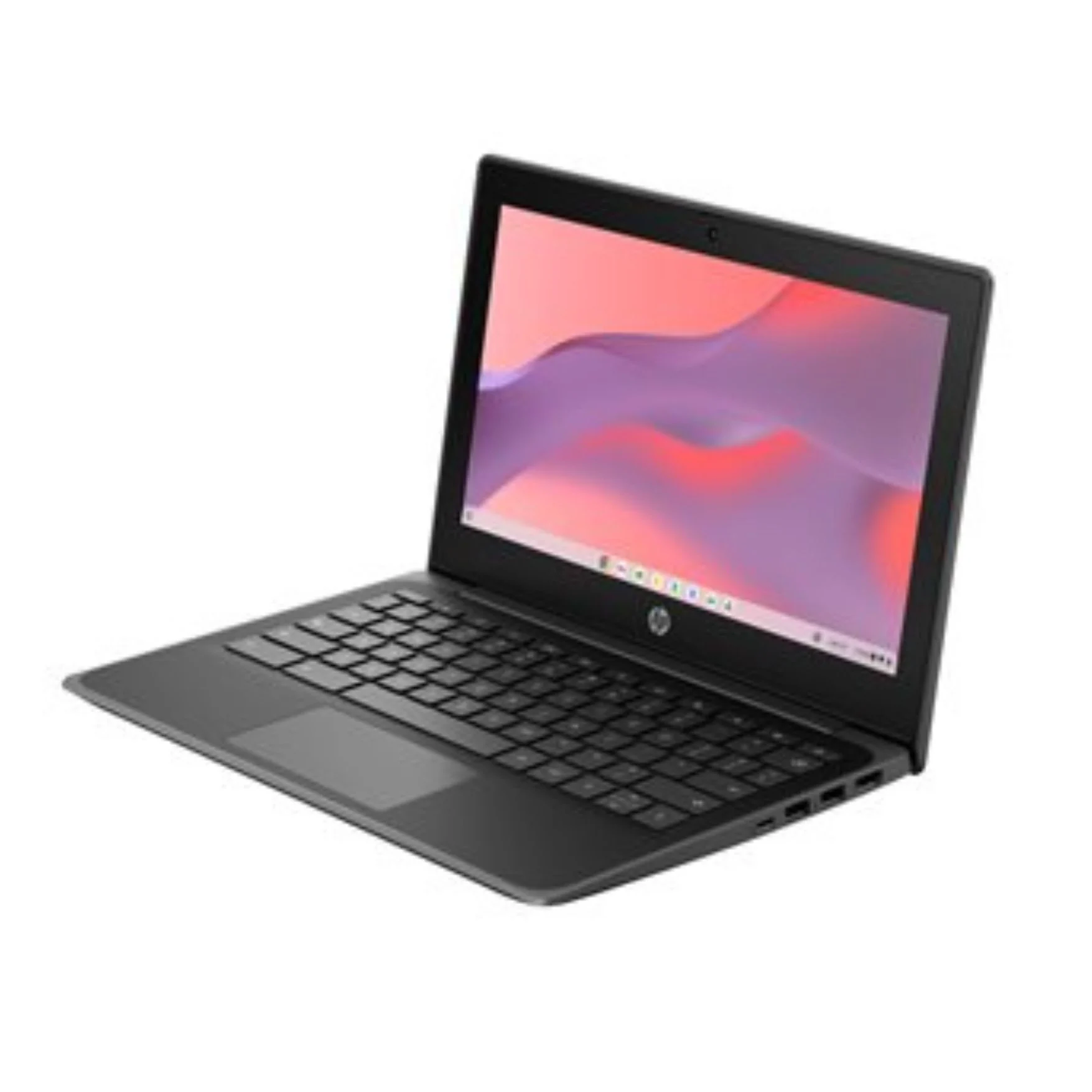
chromebooks, asus, acer, other
12 Months 47%
24 Months 40%
36 Months 18%
48 Months 9%
60 Months 6%
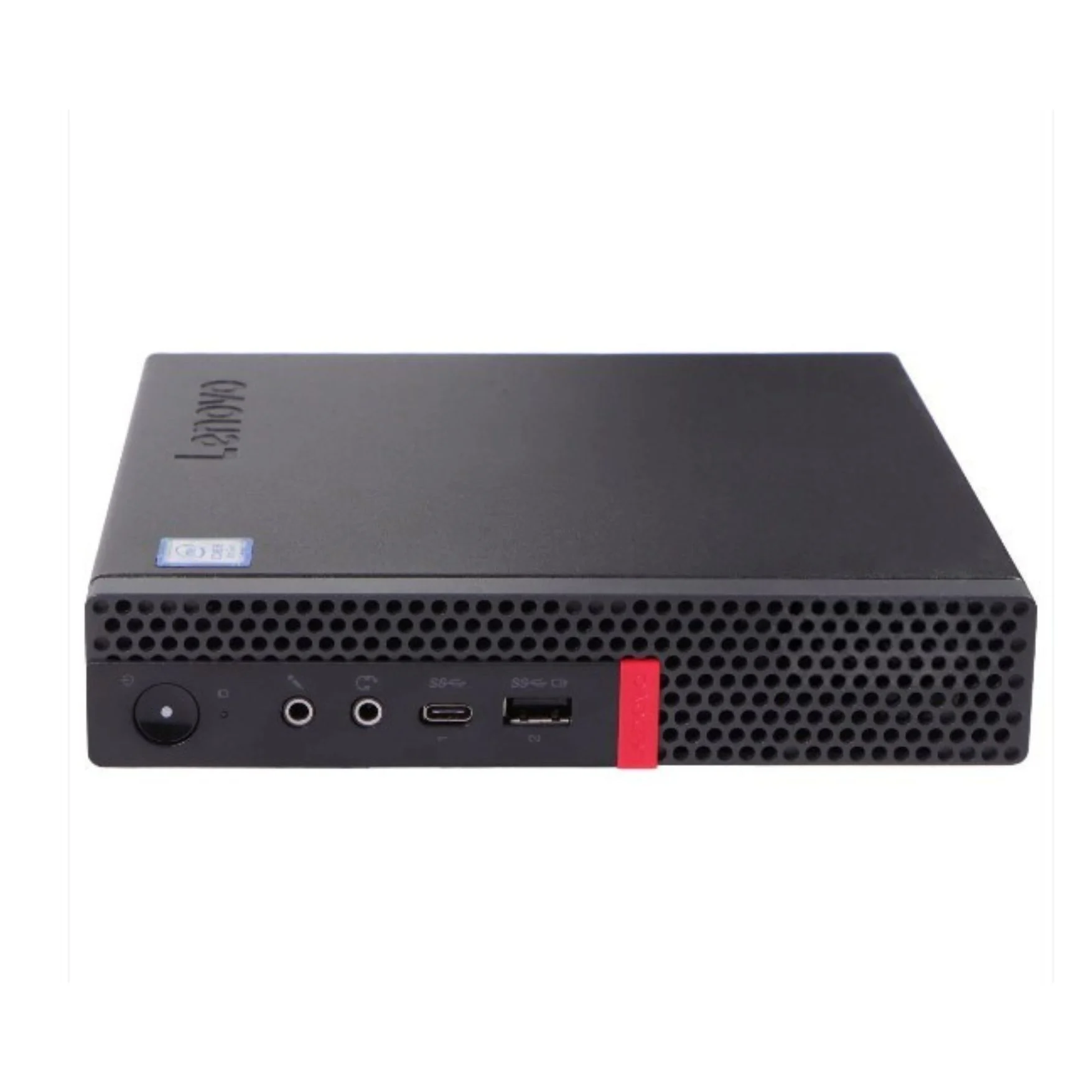
dell, hp, lenovo desktop computers
12 Months 43%
24 Months 37%
36 Months 33%
48 Months 30%
60 Months 24%
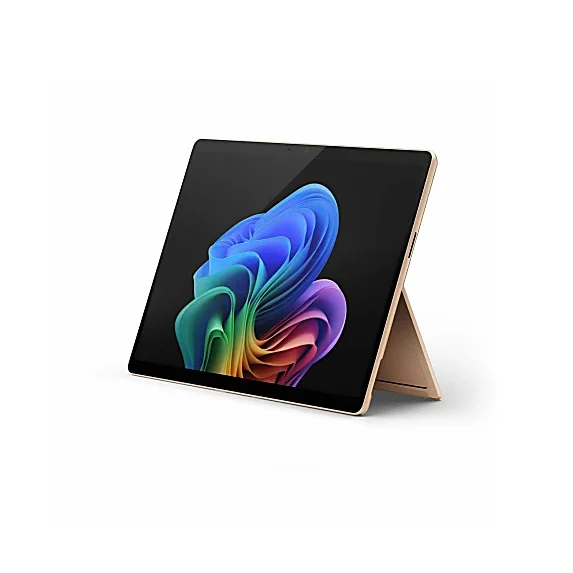
surface tablet
12 Months 52%
24 Months 45%
36 Months 40%
48 Months 37%
60 Months 23%

samsung phone
12 Months 28%
24 Months 20%
36 Months 16%
48 Months 13%
60 Months 12%
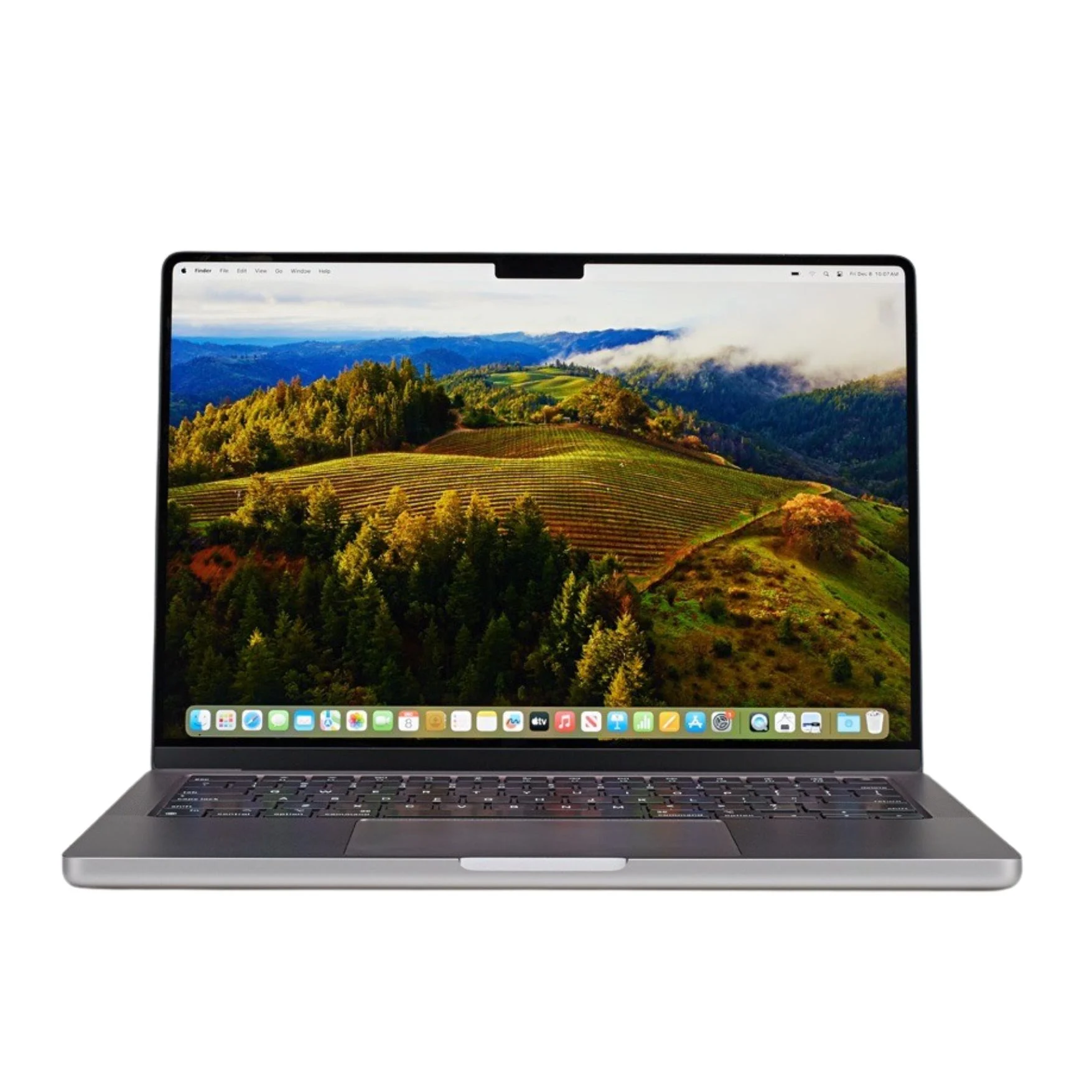
apple products

apple macbooks
12 Months 68%
24 Months 54%
36 Months 39%
48 Months 26%
60 Months 27%
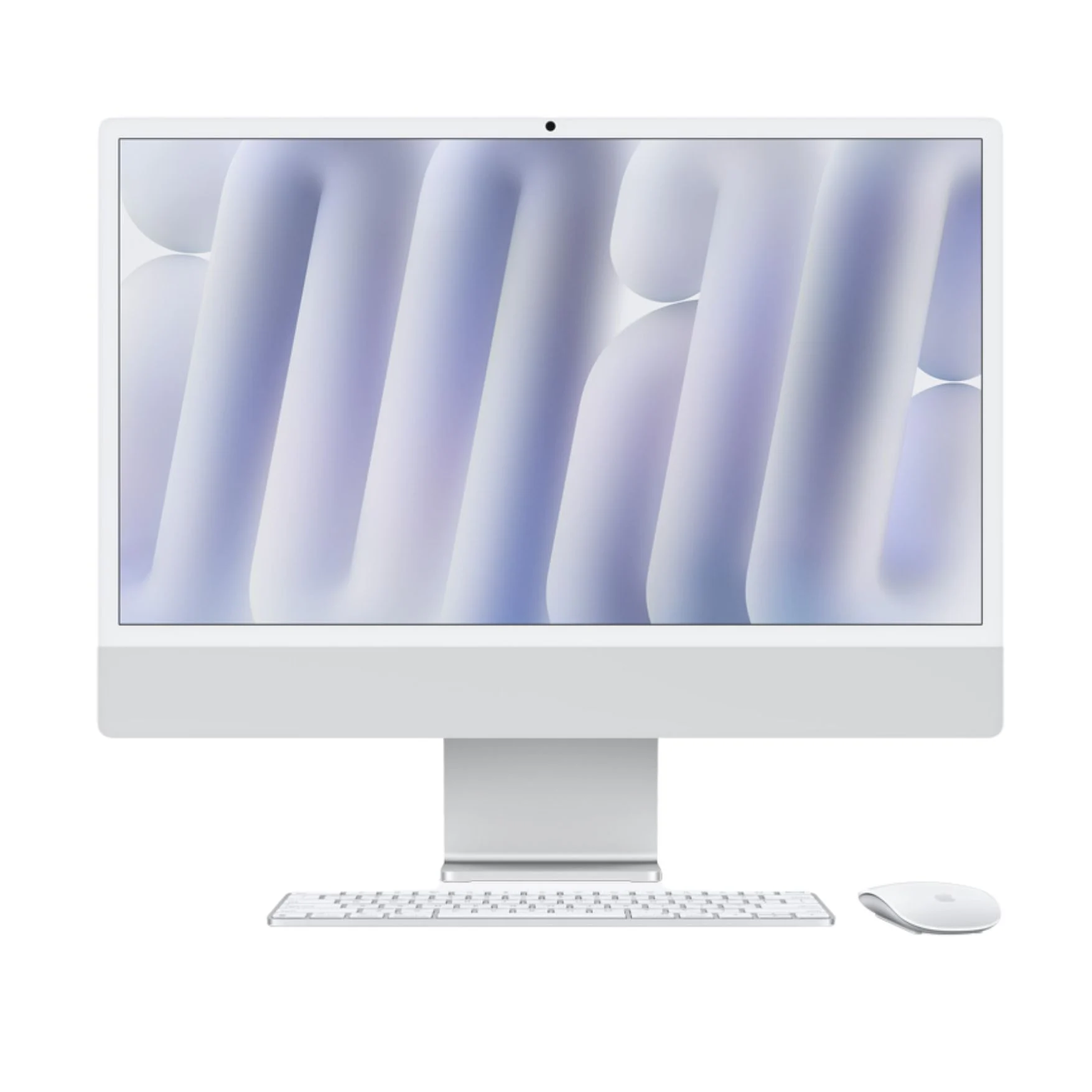
APPLE iMACS
12 Months 68%
24 Months 43%
36 Months 40%
48 Months 35%
60 Months 25%
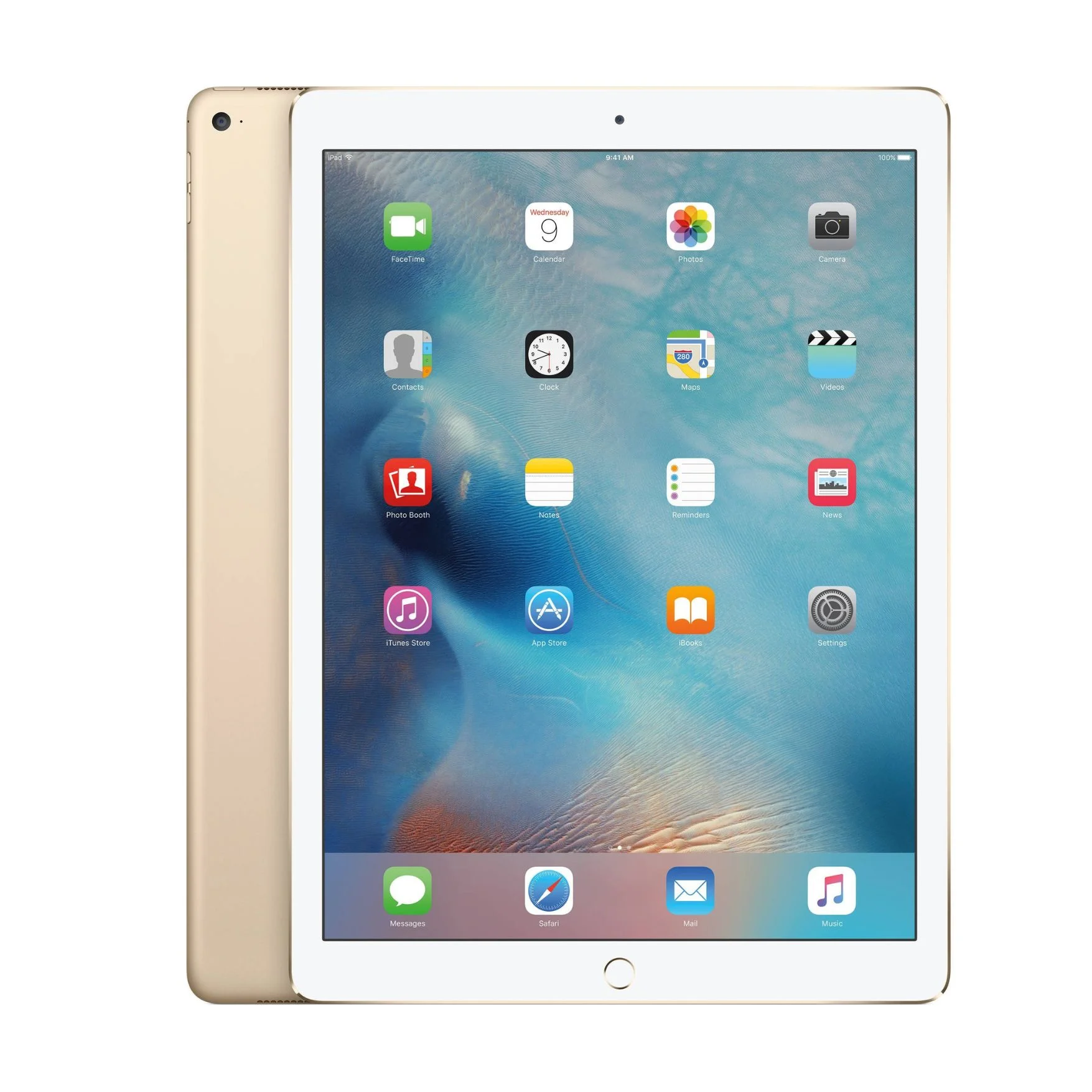
APPLE iPads
12 Months 52%
24 Months 45%
36 Months 40%
48 Months 37%
60 Months 23%
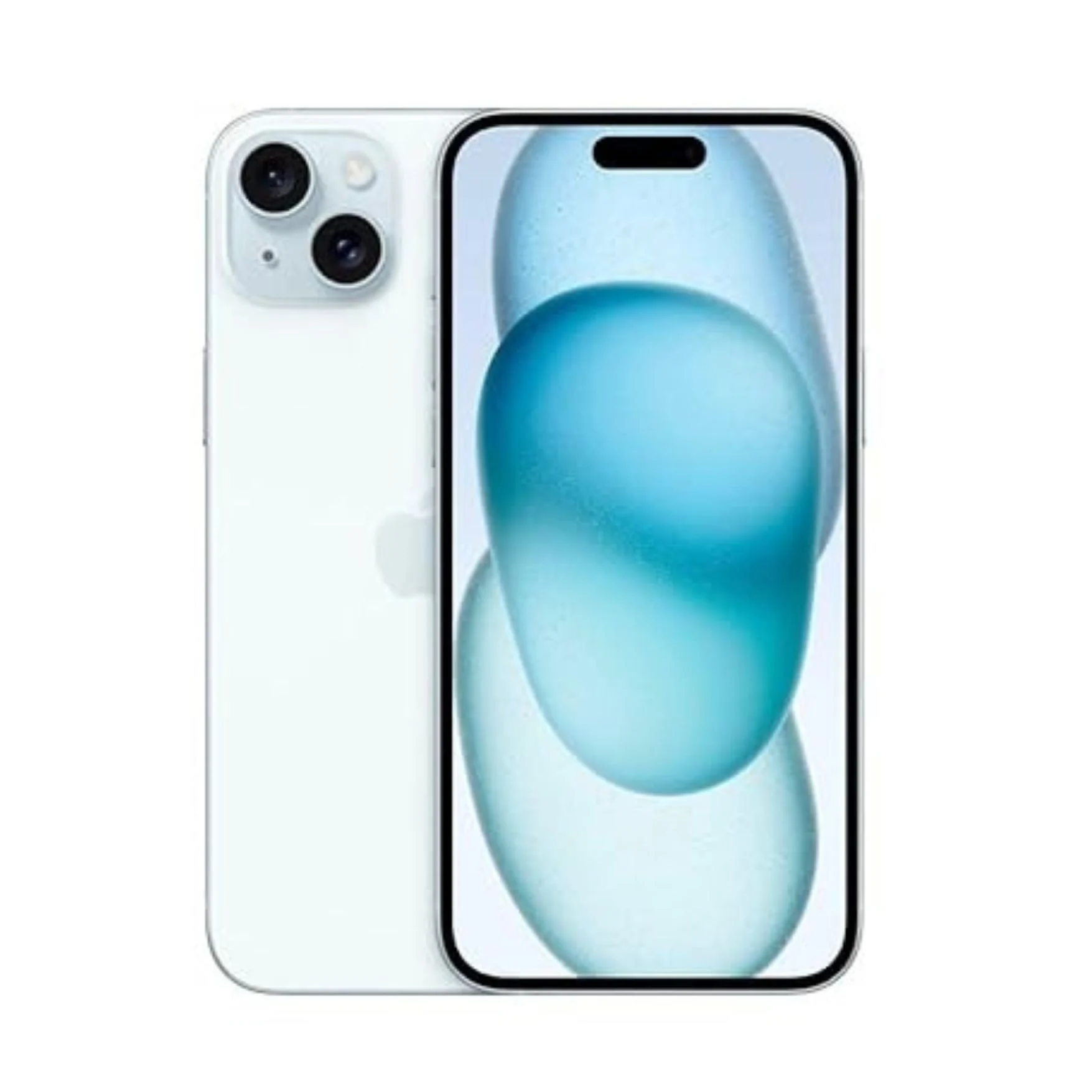
APPLE iPhones
12 Months 52%
24 Months 37%
36 Months 26%
48 Months 23%
60 Months 19%